
A Little More Soul in Every Space

Thoughtful details can transform an ordinary workspace into somewhere that feels personal, inspiring, and beautifully considered. Discover creative objects, considered materials, and ideas that make every working corner feel more like your own.
Make Room for Inspiration.
From the objects on your desk to the atmosphere of an entire room, thoughtful design brings everyday workspaces to life. Discover the textures, forms, and small details that make a space feel complete.

Good Design Lives in the Details.
An inviting workspace is built through a thoughtful balance of function, texture, light, and personality. The smallest details can create a stronger sense of rhythm, make everyday essentials easier to use, and bring a room together. Whether you are refreshing one corner or rethinking an entire office, the aim is to create a space that feels natural, purposeful, and unmistakably yours.
Made to Feel Like You
Objects, Textures & Spaces.

Minimal Desk Vignette

Acoustic & Wood Textures

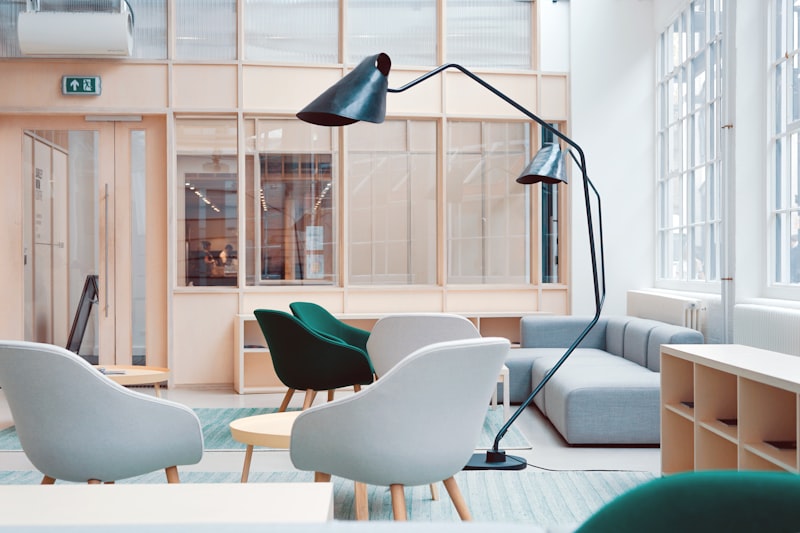
Sculptural Lighting Objects

Concealed Storage Systems

Executive Studio Suite

Editorial Stationery Details
Spaces With a Story
Every workspace tells a story about the people who use it. The colors, furniture, materials, and objects all contribute to the way a room feels and functions. Our approach to office décor celebrates those details, bringing practical choices and expressive styling together to create environments that feel welcoming, distinctive, and thoughtfully put together.


A Closer Look at Our Process.

Thoughtful Planning
A beautiful workspace starts with understanding how it needs to function. Consider the daily tasks, available space, storage requirements, and movement through the room before choosing decorative details.

Materials That Matter
Materials influence both the appearance and the everyday experience of a space. A balanced combination of textures can bring warmth, structure, and visual interest without overwhelming the room.

Everyday Objects
Objects used every day can become part of the design rather than visual clutter. Thoughtful storage, useful accessories, and a considered arrangement make essential items easier to reach.
The Way We Work Shapes the Way We Feel.
A workspace is more than a place to complete tasks. It is an environment that shapes daily routines, influences attention, and gives ordinary moments their setting.
Light, layout, materials, and furniture all contribute to the character of a room. Small improvements can make a workspace feel more organized, more comfortable, and more aligned with the people who use it.
Design does not always require a complete renovation. Sometimes a better arrangement, a useful storage solution, a more suitable light source, or a carefully chosen object can change the experience of an entire corner.
The goal is to make thoughtful choices that balance function with personality, creating spaces that support work while still feeling human, warm, and individual.


Little Things, Lasting Impressions

Considered Details

Everyday Inspiration
Ideas for Spaces That Feel Different.
Reimagine the everyday office with considered furniture, meaningful objects, and an arrangement that makes better use of the available space.
Designed Around You.
Thoughtful spaces begin with an understanding of everyday needs. Explore furniture, materials, and decorative details that help bring function and character together.
Made for Everyday Living.
From the first design detail to the final finishing touch, create a workspace that feels organized, inviting, and connected to the way you work.
A Note From the World of deskdecors.
Discover new workspace ideas, thoughtful styling details, creative projects, and inspiration for making everyday environments feel more personal.
Unsubscribe from Newsletter
Office Styling & Décor Services
We take a workspace from how it looks today to how it should feel to work in — combining spatial planning, curated furnishing, and a considered decorative layer. Our services can be engaged individually or as a complete renovation package.
WHAT WE OFFER
1. Spatial Assessment
Evaluating lighting, traffic flow, and acoustic requirements for your commercial or home office. We measure the space, audit how it is actually used, and identify the friction points — glare, noise, bottlenecks, dead corners — that shape the daily experience of work.
- • Measured survey & floor plans
- • Workplace usage audit
- • Lighting & acoustic review
- • Written spatial brief
2. Object Curation
Selecting decorative accessories, stationery, lighting, and tactile material palettes. The decorative layer is where a functional office becomes a place people want to spend time — and it is specified with the same rigour as the furniture beneath it.
- • Furniture & fixture specification
- • Material & finish palette
- • Task & ambient lighting selection
- • Artwork, greenery & accessories
3. Full Installation
White-glove placement and final styling to ensure an immaculate, personalized finish. We coordinate delivery, assembly, and the last detail — the books on the shelf, the placement of the lamp — so the space is ready to occupy on day one.
- • Delivery & assembly coordination
- • Contractor liaison
- • Final styling & photography
- • Handover & care guidance
HOW A PROJECT RUNS
Discovery
A call and a site visit. We learn how your team works and what the space needs to do differently.
Concept
Layouts, material direction, and an indicative budget, presented as a single coherent proposal.
Delivery
Procurement, contractor coordination, and installation, managed by the studio from start to finish.
Handover
Final styling, a walkthrough of the finished space, and care guidance for everything specified.
WAYS TO WORK WITH US
Consultation
A focused assessment and written recommendations. Ideal for teams planning a renovation or refreshing a single room.
Fixed fee · 1–2 weeks
Styling Project
Spatial assessment plus curation and installation of the decorative layer, without structural work.
Project fee · 4–8 weeks
Full Renovation
End-to-end design and delivery, from planning and specification through construction and final handover.
Percentage of works · 3–6 months
Not sure which engagement fits? Get in touch and we will advise honestly — including when a project does not need us.
Portfolio
A selection of completed workspaces — commercial fit-outs, editorial studios, and residential offices. Each project began with the same question: what does this team need the room to do?
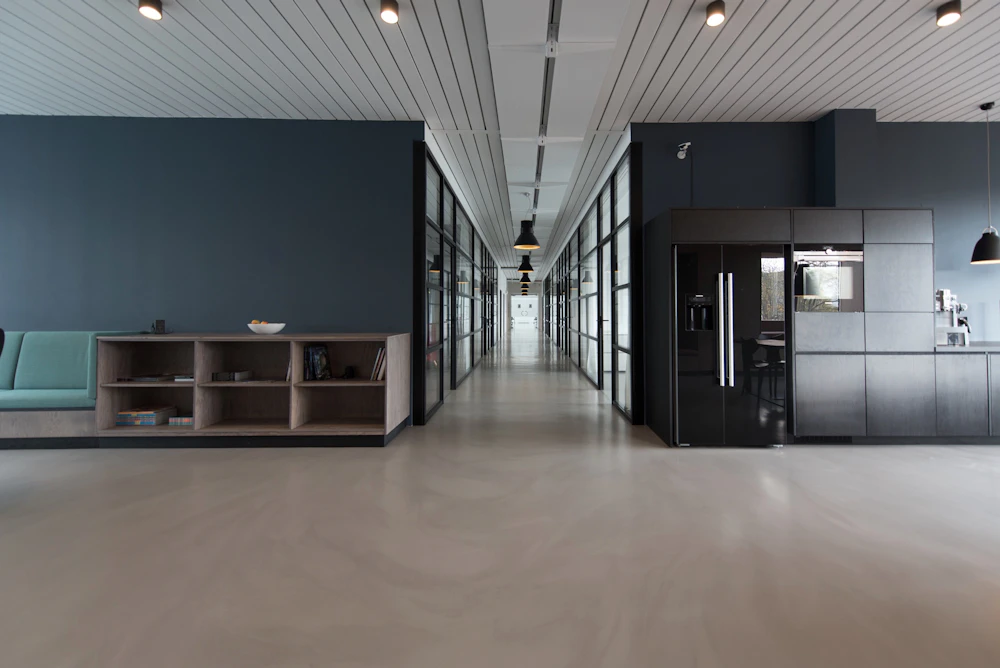
Studio Bressi Headquarters
Milan, Italy • Minimalist Workspace Styling

Nordic Editorial Loft
Stockholm, Sweden • Warm Wood & Acoustic Design

Kestrel & Co. Open Studio
London, UK • Acoustic Zoning & Flexible Desking
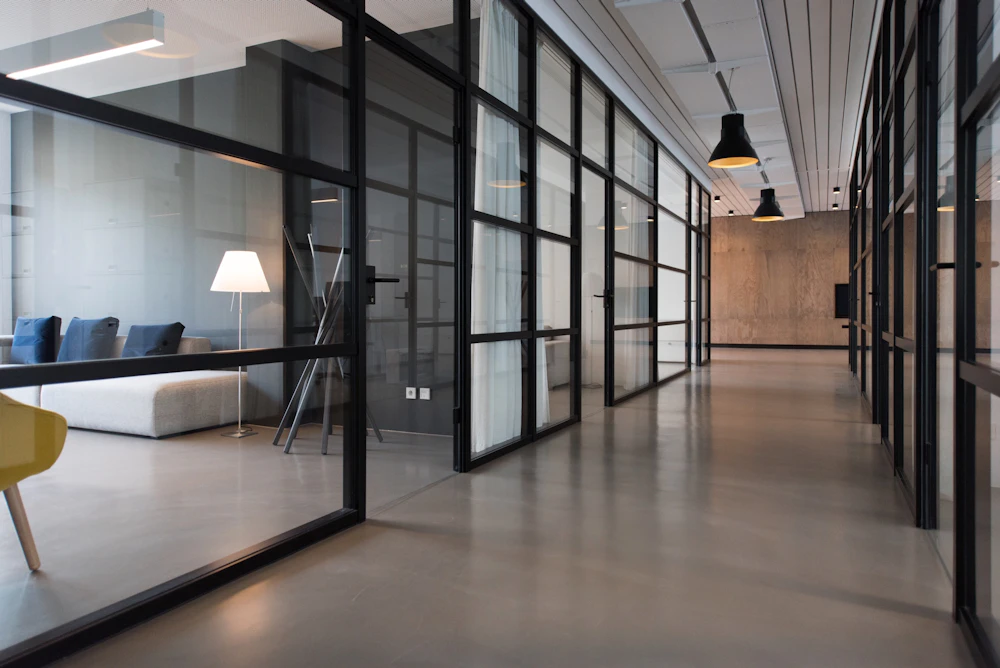
Atelier Lune
Copenhagen, Denmark • Biophilic Studio Conversion

Meridian Legal Chambers
Toronto, Canada • Hybrid Team Zoning

Hollow Lane Residence Office
Bath, UK • Residential Home Office Conversion
A fuller archive, including work-in-progress and unpublished projects, is available on request.
Studio Bressi Headquarters
Milan, Italy • Completed 2026 • 420 m²
Studio Bressi
Full interior overhaul
14 weeks
28 people
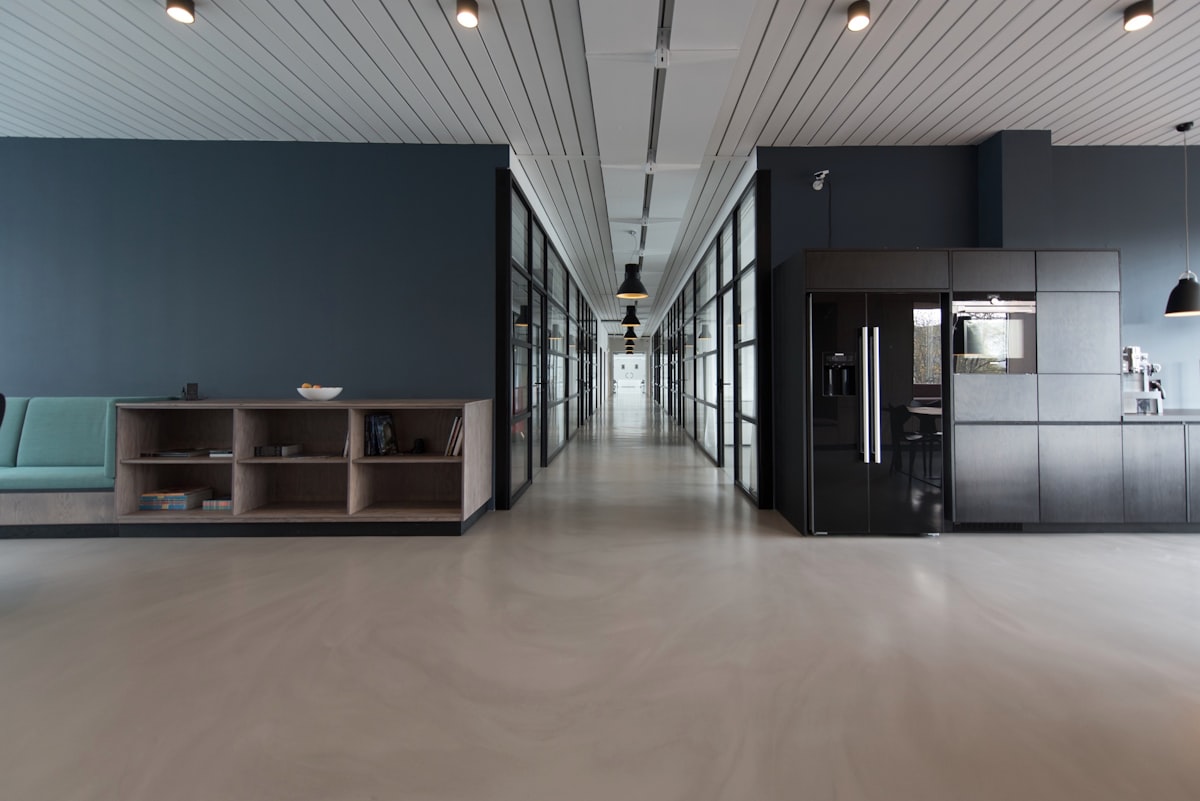
A complete office interior overhaul emphasizing warm neutral surfaces, brushed brass lighting fixtures, and custom oak shelving systems. The result is a calm, focused environment that mirrors the client's creative output.
The Brief
Studio Bressi had outgrown a workspace designed for a smaller team. The new floorplate offered more room but less character — a blank commercial shell with harsh overhead lighting and an open plan that made focused creative work difficult. The client asked for a space that felt like an extension of the studio's own design language: restrained, tactile, and quiet.
What We Did
We reorganized the floorplate into four zones — a reception and meeting edge, a central collaborative table, a library-like focus band along the windows, and a small acoustic room for calls. Custom oak shelving runs the length of the focus band, absorbing sound while providing the storage the team lacked. Brushed brass pendants replaced the ceiling grid, lowering the apparent height of the room and warming the light.
Surfaces were kept deliberately limited: limewashed walls, oiled oak, wool upholstery, and a single stone counter in the pantry. Restraint in the palette made the material quality legible and means the space will not date.
The Result
The finished office accommodates 28 people with room to grow, and the acoustic treatment has made the focus band genuinely quiet. The client reports that the new space has changed how the team works — meetings have moved to the table, deep work to the windows, and the phone room is in constant use.

Nordic Editorial Loft, Stockholm →
About deskdecors
deskdecors is an independent creative studio specializing in office décor, interior styling, and workspace curation. We work with businesses of every size — from a two-person studio to a multi-floor commercial fit-out — bringing the same considered approach to each.
We believe working environments should possess warmth, character, and tactile authenticity. Our curations bridge functional design objects with inspiring spatial arrangements, so that a space supports the work done in it while also saying something about the people who do it.
Our Story
deskdecors began with a simple observation: the offices people spend their working lives in are too often the last spaces to receive real design attention. Furniture is bought for function alone, lighting is inherited from the building, and the decorative layer — the part that makes a room feel like somewhere worth being — is left to chance. We founded the studio to change that, treating the workplace as a design problem in its own right rather than an afterthought to the business plan.
Since then we have completed projects across commercial offices, creative studios, and residential workspaces, building a practice that combines spatial planning with a curated, tactile approach to furnishing and finish. We remain deliberately independent, which lets us specify what a project actually needs rather than what a supplier would prefer to sell.
What We Do
Our work spans the full arc of a workspace transformation. We begin with a spatial assessment — measuring the space, auditing how it is used, and identifying the friction points that shape the daily experience of work. From there we move into curation: furniture, lighting, materials, and the decorative layer that gives a room its character. Finally we manage installation and styling, coordinating suppliers and contractors so the finished space matches the proposal.
Our services can be engaged individually or as a complete renovation package, and we are equally comfortable advising on a single-room refresh and delivering a full commercial fit-out.
Our Principles
Three ideas guide every project. First, function comes before form — a beautiful office that fights against its users' daily workflow is a failed office. Second, comfort is infrastructure: light, air, and acoustics matter more than any decorative choice, and should be resolved before finishes are selected. Third, spaces should age gracefully, favoring honest materials and timeless proportions over trends that date within a season.
We are also committed to sustainability in practice, not just in language — specifying low-VOC finishes, prioritizing repairable and reconfigurable furniture, extending the life of existing structures wherever possible, and helping clients divert demolition waste from landfill.
How We Work
Every engagement starts with listening. We want to understand how your team actually works — where people gather, where they struggle to concentrate, and what the space needs to do that it currently cannot. That conversation becomes a written brief, and the brief becomes the reference point for every later decision.
We keep our process transparent: clear stages, clear deliverables, and honest advice about what a budget can and cannot achieve. Sometimes the right answer is a smaller intervention than the client expected, and we will say so.
Our Team
Our studio brings together interior stylists, spatial planners, and sourcing specialists. This mix lets us move fluidly between the strategic and the tactile — from floorplan logic to the placement of a single object on a shelf. We work as a small, hands-on team, and the people you meet at the first conversation are the people who deliver the project.
Get in Touch
Whether you are planning a full renovation, refreshing a single room, or simply unsure where to start, we would be glad to hear from you. Contact the studio and we will respond within two business days.
Curated Shop
Product Title
$0.00
Crafted from sustainable materials for enduring workspace elegance.
Décor Collections

Desk Accessories
Lighting & Atmosphere
Acoustic & Textiles
Workspace Journal
Notes on office décor, interior styling, and the objects that make a workspace worth spending time in.
The Art of Minimalist Desk Styling
A desk can be spare without feeling cold. We look at the principles behind restrained, warm desk styling — what to keep, what to hide, and how a handful of considered objects can do the work of a dozen.
Read the feature →Choosing Office Accessories That Matter
Brass, leather, and walnut objects built to last.

Building a Tactile Material Palette
How wood, wool, and stone create warmth in a working room.
Lighting for Mood and Focus
Layered ambient and task light that changes through the day.

Shelving as Display, Not Storage
Turning the office bookshelf into a considered composition.

Greenery Without the Jungle
A restrained approach to plants in the workspace.
The Serious Home Office
Converting a spare room into a workspace you can close the door on.
The Art of Minimalist Desk Styling
Published October 2026 • 5 min read

Minimalism in the office is not about emptiness; it is about intentionality. Every object on your desk should serve either a practical function or provide genuine inspiration. The goal is a surface that feels calm but not sterile — one that invites work rather than demanding attention.
The Rule of One
A useful starting point is the rule of one: one source of light, one object of inspiration, one receptacle for the things you carry in each day. Everything else should live in a drawer, a tray, or a shelf. The rule is not absolute, but it forces a conversation about what actually earns its place on the desk.
Hide the Infrastructure
Most of what makes a desk feel cluttered is not decoration but infrastructure — cables, chargers, adapters, and the small debris of modern work. Cable trays, monitor arms, and a single shallow drawer for these essentials do more for visual calm than any styling object. Resolve the infrastructure first; the styling is easier afterward.
Warmth Through Material
Minimalism can go cold if the materials are all glass and white laminate. Introduce one or two warm, tactile surfaces — an oiled oak desk mat, a wool felt pad, a stoneware cup — to give the eye something to rest on. A single natural material in an otherwise neutral scheme does more than several decorative objects.
Let It Breathe
The most important stylistic decision is how much empty space to leave. A desk that is 60% clear surface reads as generous and calm; one that is fully occupied reads as busy, however well arranged. Resist the urge to fill. Empty space is a material too.
Done well, a minimalist desk is not a constraint on personality but a frame for it. The few objects that remain carry more weight, and the work itself gets the room it deserves.
Choosing Office Accessories That Matter →
Building a Tactile Material Palette →
Choosing Office Accessories That Matter
Published October 2026 • 4 min read
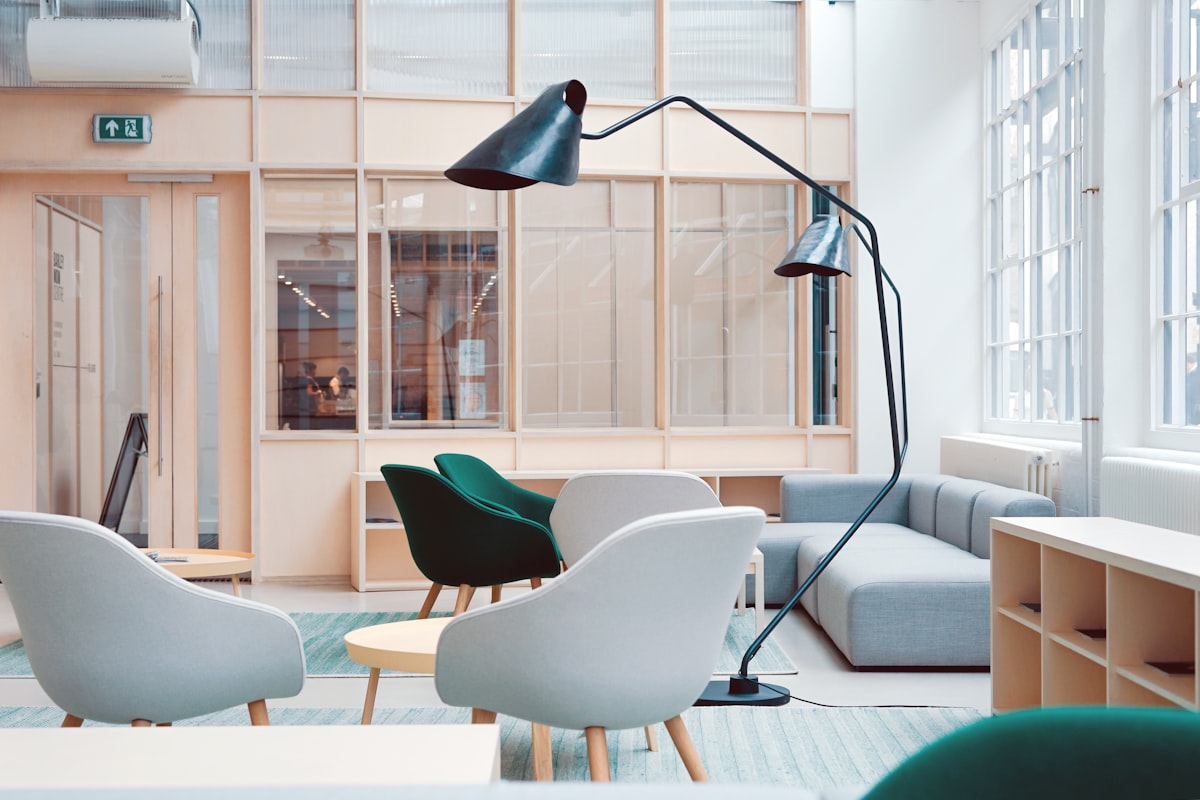
Investing in solid walnut trays, heavy brass staplers, and vegetable-tanned leather desk mats transforms routine tasks into tactile pleasures. The objects we handle most often — a pen, a tray, a cup — shape the daily experience of work far more than the furniture we sit in once.
Weight and Honesty
Good desk objects share a quality that is hard to name but easy to feel: weight. A brass stapler with real mass, a pen with a balanced barrel, a tray that sits firmly — these small signals tell the hand that an object is well made. Materials should be honest, too: solid timber rather than veneer, real leather rather than a coating, metal that will patina rather than flake.
Buy Fewer, Better
The opposite of a curated desk is a drawer full of promotional pens and branded lanyards. A short list of genuinely good objects — a tray for the small essentials, a solid pen, a good notebook, a heavy mug — will outlast and outclass a drawer full of disposables. Replace rather than accumulate.
Objects That Age
The best accessories improve with use. Brass dulls to a warm patina, leather darkens and softens, walnut deepens in tone. These are the objects that become personal — the ones you notice when they are missing. Choosing for age rather than for pristine appearance is the difference between a showroom desk and a working one.
Not every desk needs a brass stapler. But every desk benefits from the discipline of asking, of each object on it: do I use this, and do I enjoy using it?
The Art of Minimalist Desk Styling →
Shelving as Display, Not Storage →
Building a Tactile Material Palette
Published September 2026 • 6 min read
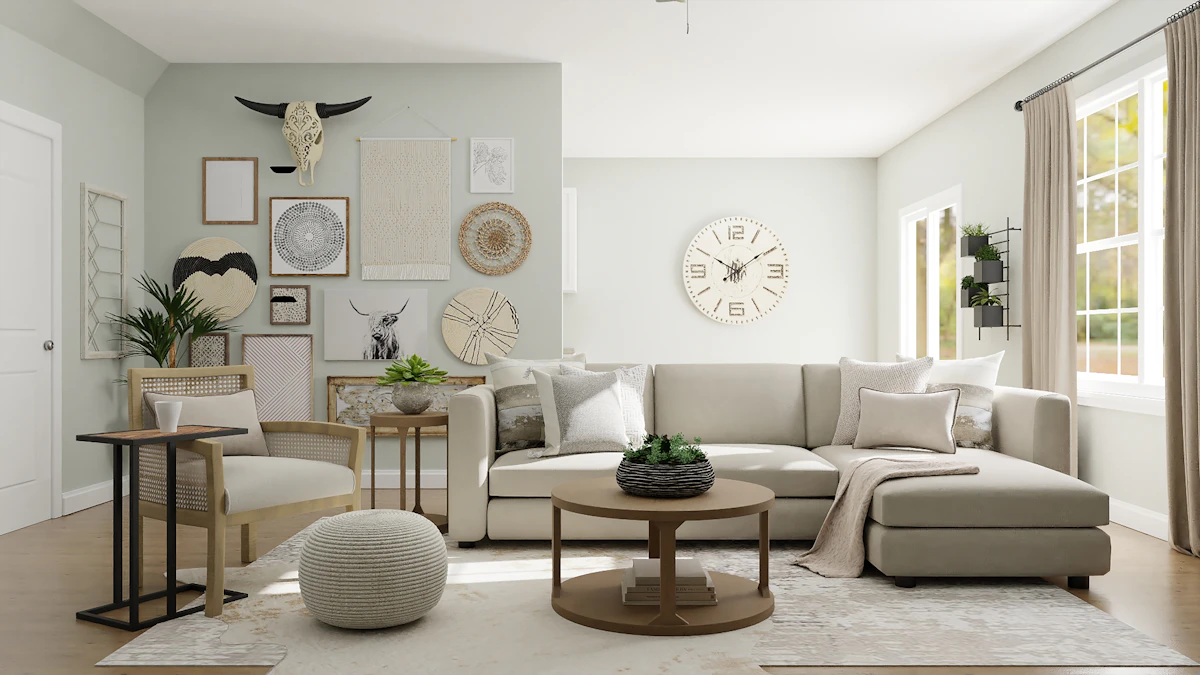
How wood, wool, and stone create warmth in a working room. An office can be visually neutral and still feel cold if every surface is smooth, hard, and cool to the touch. Tactility is the missing layer in many workspace schemes, and it is the easiest one to fix.
The Four Material Families
Most successful palettes draw from four families: timber, textile, stone, and metal. A room that has at least three of the four tends to feel resolved. All-glass-and-laminate schemes feel clinical; all-timber schemes can feel heavy. The balance is in the mix.
Warmth and Sound Together
Soft materials do double duty: they add warmth underhand and they absorb sound. Wool upholstery, felt desk screens, heavy curtains, and rugs all reduce reverberation while making the room feel more comfortable. Tactile choices are often acoustic choices too.
Two Finishes, Not Six
A common mistake is to specify too many finishes. Two or three materials used consistently across the workspace read as intentional; a dozen different finishes read as chaotic. Choose one dominant timber, one textile family, and one metal or stone accent, and let the palette repeat.
Sample in the Room
Materials behave differently under office lighting and change with the time of day. Always view samples in the actual room before specifying. A timber that looks warm in a showroom can read cold under fluorescent light, and a textile that photographs beautifully can feel scratchy in person.
A good material palette is not a list of beautiful finishes. It is a small, coherent set of surfaces that work together, age well, and make the room feel good to be in.
The Art of Minimalist Desk Styling →
Lighting for Mood and Focus →
Lighting for Mood and Focus
Published September 2026 • 5 min read
Layered ambient and task light that changes through the day. Lighting is the most immediate way to change how a room feels, and the least expensive to get right. An office lit by a single overhead grid will always feel institutional, however good the furniture.
Layer Three Kinds of Light
Think in layers: ambient light for general illumination, task light for focused work, and accent light for warmth and depth. A desk lamp, a floor lamp in a corner, and a dimmable ceiling layer together will always outperform a single bright source. Each layer can be controlled separately, which is the whole point.
Warm Light, Not Cold
For most workspaces, warm-white light (around 2700–3000K) feels more welcoming than the cool blue-white of standard office fittings. Cooler light can help in the morning, but held all day it makes a room feel clinical. Dimmable warm sources give you the flexibility to shift the mood without changing the bulbs.
Light the Walls, Not Just the Desks
A room with only downward light feels flat. Uplighting, wall washers, and a lamp that throws light onto a wall give depth and make the space feel larger and warmer. In small home offices this is especially effective — a single wall-washing lamp can transform the room.
Let Daylight Lead
Where there is daylight, use it as the primary light and treat electric light as its complement. Orient desks within reach of windows where possible, and use the electric layer to fill and balance rather than compete. Daylight changes through the day; a good lighting scheme should change with it.
The test of good office lighting is simple: at the end of the day, does the room feel calm? If it does, the layers are doing their job.
Building a Tactile Material Palette →
Greenery Without the Jungle →
Shelving as Display, Not Storage
Published September 2026 • 4 min read

Turning the office bookshelf into a considered composition. Most shelving in offices exists to hide clutter, and it shows — a wall of boxes and loose files reads as storage, not as design. A shelf treated as a display surface, however, can become the most personal element in the room.
The Shelf as a Composition
Approach a shelf as you would a picture: with attention to balance, rhythm, and negative space. Group objects in odd numbers, vary the heights, and leave some shelves deliberately sparse. A shelf that is 40% empty reads as composed; a shelf that is fully packed reads as a store cupboard.
Mix Books and Objects
The most successful office shelves mix books with a few objects — a small sculpture, a bowl, a framed print, a plant. Books laid horizontally rather than vertically break up the rhythm; a single object against a row of books gives the eye something to land on. Resist the urge to alphabetize.
Make Some of It Personal
A shelf that carries only reference material feels anonymous. A few genuinely personal objects — a photograph, an object from a trip, something made by hand — make the shelf, and by extension the office, feel like it belongs to the people who work there.
Then Hide the Rest
None of this is to argue against storage. The trick is to separate storage from display: closed cabinets for the files and boxes, open shelving for the things worth looking at. A shelf that tries to do both jobs does neither well.
Treated properly, a shelf is a small exhibit — one that changes as the team does, and that quietly communicates something about the people who work beside it.
Choosing Office Accessories That Matter →
The Art of Minimalist Desk Styling →
Greenery Without the Jungle
Published August 2026 • 4 min read

A restrained approach to plants in the workspace. Greenery has an obvious appeal — color, life, and a softening of the hard edges of an office — but an abundance of plants can tip a room from calm into chaotic, and a neglected plant does more damage to a scheme than no plant at all.
One Statement, Not Many
A single large plant in a well-chosen pot will always read better than a scattering of small ones on every surface. A floor plant in a corner, a tall specimen beside a window, or a small tree in a meeting room gives the eye a place to rest and the room a focal point.
Choose Plants That Suit the Room
Most office failures with greenery come from choosing plants for appearance rather than conditions. A low-light corner will not support a sun-loving plant, and a hot south-facing window will scorch a shade-lover. Choose for the light and the maintenance budget you actually have, not the plant you would like to own.
Consider the Pot
The pot is half the styling. A plastic nursery pot inside a nice ceramic or terracotta container lifts a plant immediately; the wrong pot undoes a good plant. Keep pots to a family of two or three finishes to stop a collection of plants reading as a collection of mismatched containers.
Maintain, or Don't
Greenery is only an asset if it is looked after. A yellowing plant, dust on leaves, or dry soil is a visual negative. Either commit to a maintenance routine — or a maintenance service — or choose a small number of very low-maintenance plants that will stay looking good without attention.
Used with restraint, plants are one of the most effective styling tools available to an office. The key word is restraint.
Lighting for Mood and Focus →
Building a Tactile Material Palette →
Contact Studio
Frequently Asked Questions
How do virtual styling consultations work?
Clients submit room measurements and photos; our stylists return a 3D mood board and curated object list.
Shopping Cart
Privacy Policy
Effective Date: October 2026
deskdecors collects basic subscriber emails exclusively for frontend demonstration purposes using browser local storage. This policy explains what that means in practice, what we store, and what control you have over it.
What We Collect
We collect only what you choose to give us. When you subscribe to the newsletter, we store the email address you enter. When you send an enquiry through the contact form, we receive the name, email address, and message you submit. We also collect anonymized usage data, such as pages visited, to understand how the site is used.
Where It Is Stored
This website is a frontend demonstration. Newsletter subscriptions are written to your browser's local storage and are not transmitted to, or stored on, a remote server. Clearing your browser data will remove them permanently. Nothing you enter on this site leaves your device.
How We Use It
Email addresses are used solely to deliver the newsletter you requested. Enquiry details are used to respond to your message and, if you become a client, to deliver the services we have agreed. We do not sell, rent, or share personal data with third parties for marketing purposes.
Cookies and Local Storage
The site uses browser local storage to remember preferences and demonstration subscriptions. No third-party advertising cookies are set. You can clear this data at any time through your browser settings, and the site will continue to function normally.
Your Rights
You may request a copy of the data we hold about you, ask us to correct it, or ask us to delete it. Newsletter subscribers can unsubscribe at any time. Because demonstration data lives in your browser, you can also delete it yourself by clearing your browser storage.
Changes to This Policy
If we update this policy, we will revise the effective date above. Continued use of the site after an update constitutes acceptance of the revised policy.
Terms and Conditions
Effective Date: October 2026
All styling guides, imagery, and product listings are property of deskdecors. Demo site rules apply. By accessing this site, you agree to the terms set out below. If you do not agree with any part of them, please discontinue use.
Use of the Site
You may browse, read, and download resources for personal and project use. You may not reproduce, republish, or redistribute substantial portions of our editorial content, styling guides, or imagery without written permission, nor use automated tools to scrape or harvest content at scale.
Intellectual Property
All text, photography, styling guides, CAD drawings, and downloadable resources on this site are the property of deskdecors or their respective licensors. Third-party trademarks remain the property of their owners and are used for identification only.
Product Listings
Product listings and prices on this demonstration site are illustrative and do not constitute a binding offer. A contract for furniture or styling services is formed only when we issue a written quotation and you accept it in writing. Images are representative; natural materials vary in grain, tone, and finish.
Editorial Content
Styling guides and journal articles are published for general information. While we aim for accuracy, design requirements vary by space, jurisdiction, and use. Nothing on this site constitutes professional architectural, structural, or legal advice, and you should consult qualified professionals before undertaking construction work.
Demonstration Site
This site is a frontend demonstration. Orders placed through it are not processed, subscriptions are stored locally in your browser, and no payment is taken. The site is provided as-is, without warranty of any kind.
Limitation of Liability
To the fullest extent permitted by law, deskdecors is not liable for indirect or consequential loss arising from use of this site or reliance on its content. Nothing in these terms limits liability that cannot be excluded by law.
Governing Law
These terms are governed by the laws of the jurisdiction in which the studio operates. Any dispute will be subject to the exclusive jurisdiction of the courts of that jurisdiction.
Shipping Information
We ship curated office objects worldwide via insured courier services within 3-5 business days. Everything is packed by hand and tracked from dispatch to delivery.
Dispatch Times
In-stock items are dispatched within 3–5 business days of order confirmation. Made-to-order and custom pieces are quoted with their own lead time, typically 4–8 weeks depending on specification. You will receive a dispatch confirmation with a tracking reference as soon as your order leaves the studio.
Delivery
All orders are shipped via insured courier with signature on delivery. Estimated transit times are 1–3 business days domestically and 3–10 business days internationally, depending on destination. Delivery windows are provided at checkout and confirmed by email.
Shipping Costs
Shipping is calculated at checkout based on the size, weight, and destination of your order. Orders over a stated threshold qualify for complimentary standard shipping. Express and white-glove options are available for an additional charge.
Packaging
Objects are packed in recyclable materials wherever possible, with protective wrapping suited to the item. Where plastic is unavoidable, we use recycled content and encourage you to reuse or recycle it.
Customs and Duties
International orders may be subject to import duties and taxes levied by the destination country. These are the responsibility of the recipient and are not included in our prices. We declare all shipments accurately and cannot mark orders as gifts.
Damaged in Transit
If a parcel arrives visibly damaged, please photograph it and note the damage on the courier's paperwork before signing, then contact us within 48 hours. We arrange replacement or repair at no cost for items damaged in transit.
Returns and Refunds
Unused decorative objects in original packaging may be returned within 30 days of delivery. This policy explains how returns and refunds work, and supplements your statutory rights.
Standard Returns
Standard returns are accepted within 30 days of delivery, provided items are unused, undamaged, and in their original packaging. Contact us before returning anything so we can issue a return reference and advise on carriage. Refunds are processed to the original payment method within 14 days of the returned goods arriving at our studio.
Custom and Made-to-Order Pieces
Custom furniture and made-to-order objects are produced to your specification and are generally non-returnable. These items are inspected on delivery in your presence. If a custom piece arrives faulty or does not match the agreed specification, we will repair or replace it at no cost.
Damaged or Incorrect Deliveries
Please photograph any visible damage and note it on the courier's paperwork before they leave, then contact us within 48 hours. We will arrange collection and replacement or repair as quickly as possible. Items damaged in transit are replaced at our expense.
Return Shipping Costs
For standard returns made within the 30-day window, return carriage is the customer's responsibility unless the item is faulty or was delivered in error. For bulky items we can arrange collection and deduct the cost from the refund — we will always confirm the amount before proceeding.
Samples and Resources
Material sample kits and downloadable resources are provided for evaluation and are not subject to return, though sample kits damaged in transit will be replaced on request.
Cancellations
Stock orders can be cancelled at any time before dispatch for a full refund. Made-to-order items can be cancelled within 48 hours of order confirmation, before production begins; after that point, cancellation may not be possible.
To start a return or ask a question about this policy, contact the studio.